
Step-by-Step: Planning a Successful Utility Trenching Job
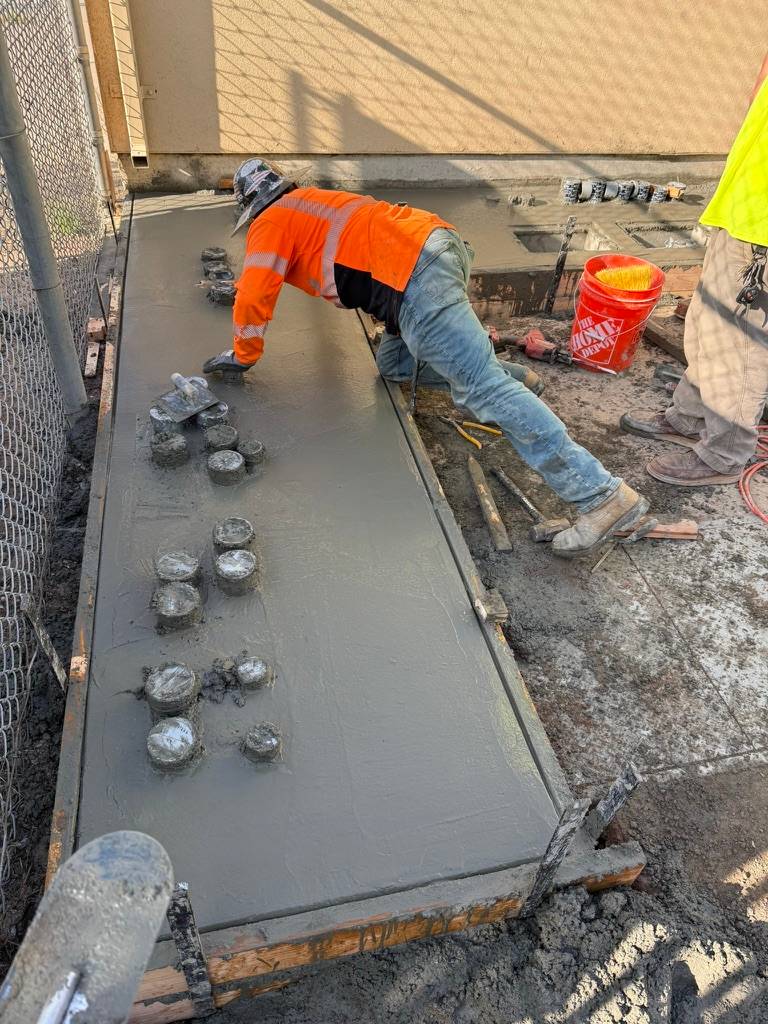
Electrical Pad
At DEVCO Development & Engineering, successful utility trenching starts long before excavation begins. Proper planning, coordination, and safety procedures are what keep projects on schedule and prevent costly surprises underground.
From private developments to public right-of-way improvements, our trenching process focuses on precision, compliance, and long-term reliability.
1. Site Evaluation & Utility Locating
Every trenching project begins with identifying existing underground utilities. We coordinate USA Dig Alert notifications and private utility locating services to mark known lines before excavation.
- Utility verification: Confirming depths and alignments before digging.
- Potholing when required: Using safe exposure methods to visually verify crossings.
- Conflict prevention: Reducing the risk of utility strikes and shutdowns.
This step protects workers, property, and project timelines.
2. Engineering & Permit Coordination
Once underground conditions are understood, trench paths are aligned with engineered plans and municipal requirements.
- Depth and width confirmation: Meeting code and utility provider specifications.
- Permit coordination: Securing encroachment permits when working in public areas.
- Inspection scheduling: Aligning with city or utility inspectors before backfill.
On electrical infrastructure projects, we coordinate closely with project stakeholders to ensure conduit layout and equipment requirements are confirmed before excavation. In some cases, this includes working alongside licensed electrical contractors such as Electric Medics to ensure trench dimensions and conduit configurations meet final installation needs.
3. Saw Cutting & Surface Preparation
For asphalt or concrete surfaces, clean saw cutting defines the trench path and helps ensure professional restoration after the work is complete.
- Straight, controlled cuts: Minimizing surface damage.
- Traffic control setup: Protecting crews and the public.
- Site protection: Safeguarding adjacent landscaping and improvements.
Preparation at this stage directly impacts final appearance and durability.
4. Excavation & Trench Safety
Excavation is performed in accordance with OSHA trench safety standards. Soil classification determines whether sloping, shoring, or trench boxes are required.
- Proper spoil placement: Keeping loads safely away from trench edges.
- Safe access and egress: Ladders and entry points installed as required.
- Continuous monitoring: Watching for soil movement or changing conditions.
Safety is built into every trench we open.
5. Conduit Installation & Utility Placement
Once the trench is properly excavated and inspected, conduit or utility lines are installed per engineered specifications.
- Approved bedding material: Providing proper support.
- Correct spacing: Maintaining separation between utilities.
- Depth compliance: Meeting code and future protection standards.
- Pull strings and labeling: Preparing for future access and maintenance.
Precision during installation ensures long-term performance and reduces the risk of future repairs.
6. Inspection, Backfill & Compaction
Before backfill begins, required inspections are completed. Once approved, trenches are restored using proper materials and compaction techniques.
- Layered backfill placement: Compacting in lifts to prevent settling.
- Slurry backfill where required: Meeting municipal standards in paved areas.
- Density compliance: Ensuring structural integrity under roads and driveways.
Proper compaction is critical to preventing pavement failure and long-term surface damage.
7. Surface Restoration & Final Cleanup
The final phase restores the site to its original condition — or better.
- Asphalt or concrete patching: Clean, professional finishes.
- Striping replacement: Where required in public areas.
- Site cleanup: Hauling away spoils and removing traffic control.
A well-executed restoration reflects the quality of the entire trenching operation.
Why Planning Matters in Utility Trenching
Utility trenching may appear straightforward, but successful execution depends on careful planning, coordination, and attention to detail. From utility locating and permitting to installation and restoration, each phase builds on the last.
At DEVCO Development & Engineering, we approach every trenching project with a clear process, experienced crews, and a commitment to safety and quality. Early coordination and disciplined execution keep projects efficient, compliant, and built to last.
If you're planning a utility trenching project in Southern California, our team is ready to help guide it from initial evaluation through final restoration.