

Description
Hydro Excavation in Bellemont by DEVCO Development and Engineering
We provide Hydro Excavation in Bellemont and throughout Coconino County for utility contractors, public agencies, and property owners. Using high-pressure water and powerful vacuum trucks, we expose and trench around underground utilities, especially water lines, with far less risk of damage than mechanical digging, backed by an experienced underground utilities team.
What Hydro Excavation Actually Does
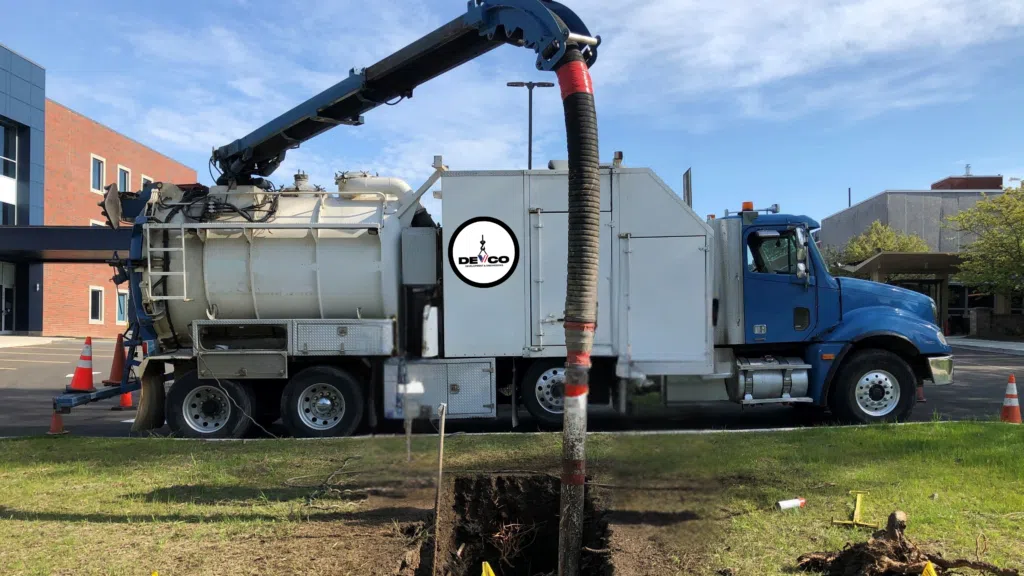
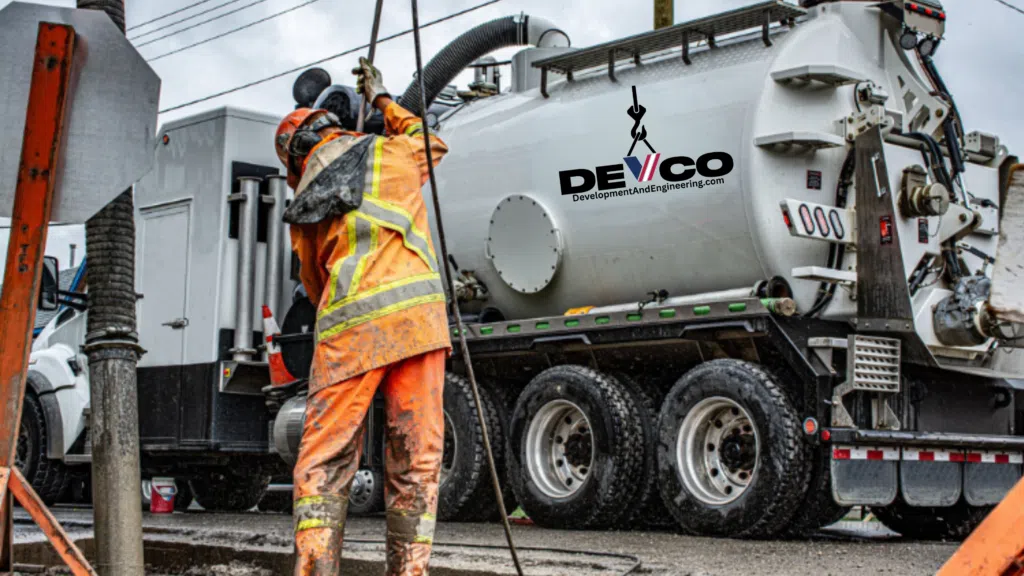
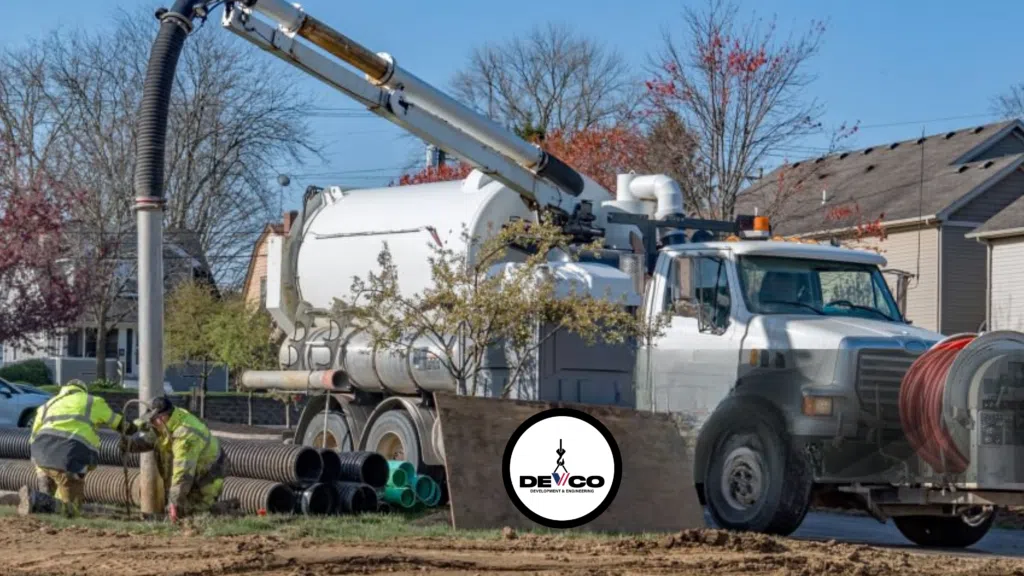
Hydro excavation uses a controlled stream of water to cut soil while a large vacuum hose removes the slurry into a debris tank. Instead of a bucket or trencher tearing through unknown ground, we “soft dig” so existing pipes and cables stay intact and visible.
For Hydro Excavation Bellemont projects, this approach is especially useful where utility maps are incomplete, space is tight, or you just can’t afford a hit on a water, gas, or fiber line.
Hydro Excavation for Water Lines in Bellemont
Hydro excavation for water lines Bellemont work is one of our core tasks. We use it to pothole for line locations, dig narrow service trenches, and safely cross existing mains and services.
Because the water stream can be adjusted for pressure and angle, we can carefully uncover older PVC, DIP, or copper water lines without cracking or crushing them. That matters when you’re tying in a new service, repairing a suspected leak, or replacing segments in a congested corridor.
Common Situations Where Hydro Excavation Makes Sense
Clients call us when they need accuracy more than brute force. Typical uses include:
- Daylighting buried utilities before larger excavation starts
- Potholing to confirm water line depth and alignment
- Trenching for new water services or small main extensions
- Working near gas, electric, or communication lines
- Excavation inside developed sites, near foundations or pavement
- Cold-weather digs where frozen ground slows traditional equipment
Why Hydro Excavation Is Often the Better Choice
Compared to traditional digging, hydro excavation reduces the chance of utility strikes, limits over-excavation, and creates a cleaner, more precise hole. That usually means less restoration work and fewer surprises during construction.
It’s also easier to control around sensitive structures—vaults, foundations, pipeline coatings, existing valves, or meter sets. We can work in tight spots where a full-size excavator simply won’t fit or can’t operate safely.
What to Know Before You Start
Before scheduling a hydro excavation job, it helps if you have:
• Project plans or at least a rough sketch of your work area.
• Any available as-builts or utility records.
• Site access details for our hydrovac truck and support vehicles.
We’ll talk through soil conditions, target depths, disposal options for spoils, and required traffic or pedestrian control. If you’d like a general idea of what drives pricing, we’ve put together this overview of Hydro Excavation cost factors.
Experienced vs. Inexperienced Hydro Excavation Contractors
Hydro excavation looks simple from the outside—water and vacuum—but it’s a craft. An experienced crew knows how to:
• Set pressure low enough to protect utilities but high enough to stay productive.
• Read the ground and recognize when they’re close to a line, even before they see it.
• Manage spoil, traffic, and site safety so work stays efficient and compliant.
As a DVBE, SDVOSB, PDBE, SB-Micro, and SB-PW contractor, we’re used to working on public and private jobs with detailed specifications and tight schedules, from small residential tie-ins to larger utility projects in and around Bellemont.
Common Questions About Hydro Excavation
Is hydro excavation safe around old or fragile water lines?
Yes, when it’s done correctly. We dial in water pressure based on pipe material and age, and we approach suspected utility locations slowly. The goal is to wash soil off the pipe, not blast it. That’s a key difference between a trained operator and someone just pointing a wand at the ground.
How deep can you dig with hydro excavation?
Depth depends on access and soil, but typical working depths are in the 5–15 foot range for most water and utility work. Deeper is possible with proper setup, but we’ll review that during planning so you know exactly what to expect.
Let’s Talk About Your Bellemont Project
Whether you’re relocating a water main, adding new services, or just need a few precise potholes before a larger dig, we can help plan the Hydro Excavation approach that fits your site and budget. Call DEVCO Development and Engineering at (951) 221-3633 or email info@devco-inc.com to
Listing Details
-
CategoryHydro Excavation
-
CountyCoconino County
-
CityBellemont
-
Contact Emailinfo@devco-inc.com
-
Phone Number(951) 221-3633
-
ServicesHydro Excavation Bellemont, Hydro excavation for water lines Bellemont