

It is important to remember cost can vary highly depending on the job. There are a lot of variables that must be considered, that we will dive into further below. Preparation, restoration and conditions all come into play when looking at a directional boring project.
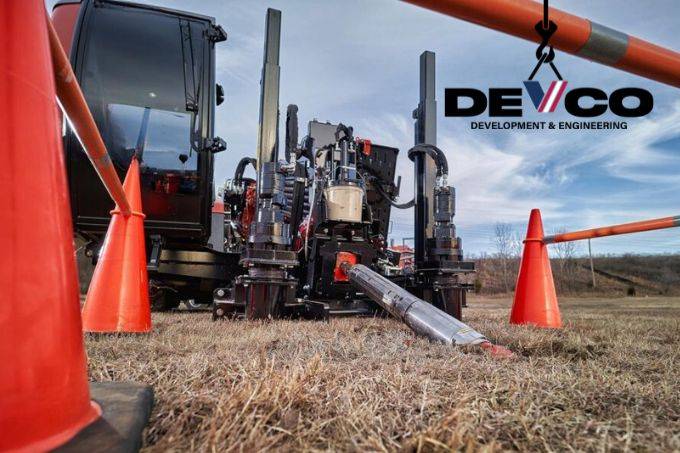
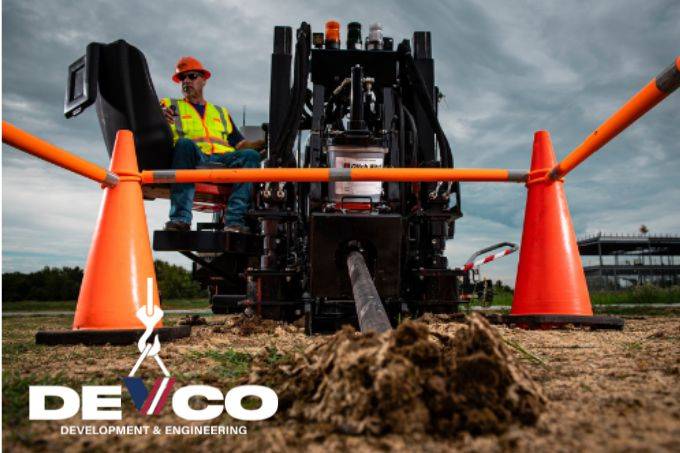
When it comes to installing underground utilities without tearing up streets or landscapes, horizontal directional drilling (HDD) is like threading a needle through the earth. This trenchless method has revolutionized how we lay pipelines, cables, and conduits, offering a less disruptive alternative to traditional open-cut techniques. But like any specialized service, HDD comes with its own set of cost considerations.
What Really Drives Directional Drilling Costs?
Directional drilling (HDD) pricing isn’t just about how long the bore is or what size pipe is being installed. Nearly every cost factor falls under three core categories: Preparation, Conditions, and Restoration. Understanding these buckets helps explain why two projects that look similar on paper can end up with very different price tags.
1. Preparation: Setting the Stage Before the Drill Ever Starts
Before a drill head ever enters the ground, there are a lot of things that must take place and these things can all have a major impact on cost.
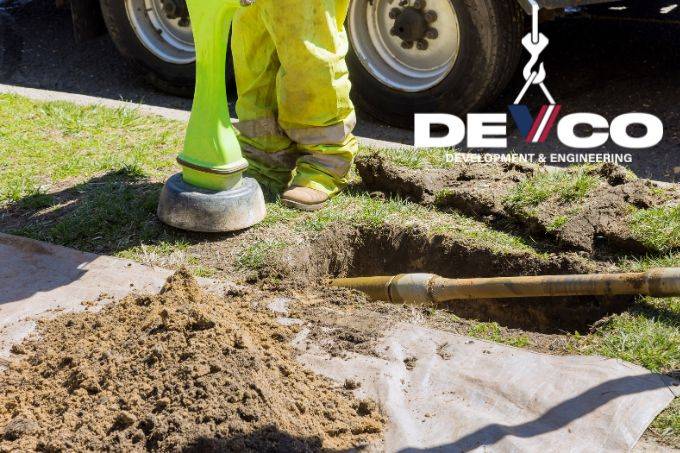
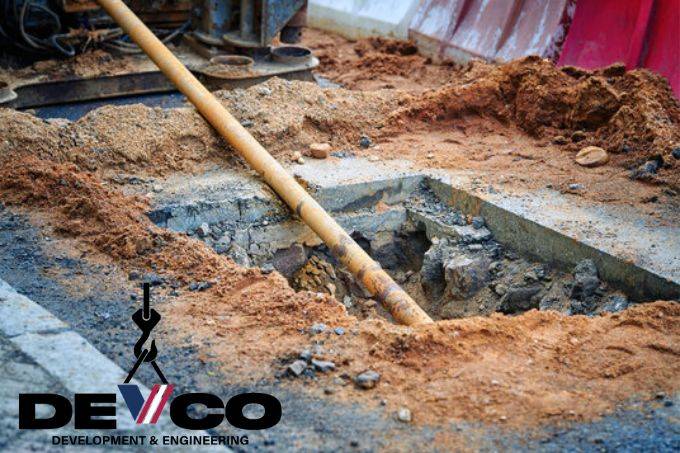
One of the first questions we ask is where the entry and exit pits will be located. Are those pits in asphalt, concrete, or dirt? Cutting into pavement or concrete requires sawcutting, removal, and haul-off, which adds time, labor, and disposal costs.
Just as important is who is responsible for that work. Is the directional drilling contractor handling sawcutting and removal, or is that being performed by others? The same applies to backfilling the pits once the bore is complete. Can the pits be backfilled with native soil, or does the project require slurry, controlled low-strength material (CLSM), or another engineered backfill?
Finally, surface restoration matters. Restoring asphalt, concrete, landscaping, or hardscape to match existing conditions is often a significant portion of the overall budget — especially in streets, parking lots, or finished residential areas.
All of these preparation details affect pricing well before drilling begins.
2. Conditions: What Lies Beneath (and Around) the Bore
The Ground Beneath Our Feet
Imagine trying to drill through a block of cheese versus a slab of concrete. That’s the variability we deal with underground. Soft, cooperative soils are relatively forgiving. Rock, cobble, or dense clay can slow progress dramatically and require specialized tooling.
We have worked on a project where we unexpectedly encountered a massive boulder field. What was supposed to be a straightforward bore turned into a weeks-long effort involving additional equipment, labor and tooling. As you’d expect, costs climbed accordingly.
Existing Utilities: The Underground Obstacle Course
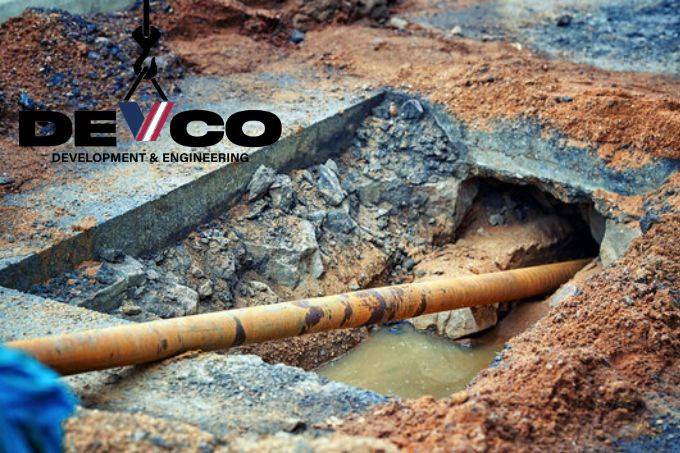
Urban and developed areas introduce another major variable: existing utilities. Water lines, gas mains, electrical duct banks, fiber optics — all of them dictate alignment, depth, and drilling speed.
In many cases, additional potholing is required to visually verify utility locations, adding both time and cost. We’ve completed bores where we had to thread between century-old sewer lines and dense networks of modern fiber — precision that only comes with experience and careful planning.
Conduit Quantity, Size, and Type
Another often-overlooked factor is what’s being installed. The number of conduits, their diameters, and whether they’re plastic or steel all influence tooling, bore diameter, pullback forces, and installation time.
Installing multiple conduits in a single bore or upsizing pipe may sound minor, but those changes directly affect drilling difficulty and pricing.
3. Restoration: Putting Everything Back the Right Way
Directional drilling is considered a “trenchless” method, but that doesn’t mean there’s no restoration involved.
Entry and exit pits must be properly backfilled and compacted. Pavement, concrete, landscaping, or hardscape must often be restored to meet agency or owner standards. In residential or high-visibility areas, extra care is taken to leave the site looking as if the work never happened — which takes time and resources.
Restoration is one of the most common areas where project costs surprise owners who assumed drilling was the only expense.
4. Going the Distance (and Depth)
Project length and depth still matter — a short bore under a driveway is very different from a long installation beneath an arterial roadway or industrial site. Longer and deeper bores require more drilling fluid management, higher-capacity rigs, and greater risk mitigation.
Depth also introduces changing soil layers, groundwater considerations, and increased steering complexity, all of which affect pricing.
5. Customizing Your HDD Solution
Every HDD project is unique. Online calculators can provide a helpful ballpark estimate based on pipe size and length, but they can’t account for preparation details, subsurface conditions, utilities, conduit configuration, or restoration requirements.
That’s why it’s critical to consult an experienced directional boring contractor early in the process. At Devco, we evaluate projects holistically — from surface conditions and utility conflicts to soil behavior and final restoration — so there are fewer surprises and more accurate pricing.
Understanding preparation, conditions, and restoration upfront leads to better planning, more realistic budgets, and smoother projects overall.
Contact Devco for Expert HDD Solutions
Ready to explore how HDD can solve your underground installation needs? Let’s chat about your project. Our team at Devco is always eager to dive into new challenges and find innovative solutions.
Reach out to us at 951-221-3633 or drop us a line at Info@devco-inc.com.
We’re here to help you navigate the underground world of HDD, ensuring your project is completed efficiently, cost-effectively, and with minimal disruption to the world above ground.