

Description
Potholing in Vail by DEVCO Development and Engineering
DEVCO Development and Engineering provides professional utility potholing in Vail and across Pima County for contractors, utility owners, and property developers. We expose buried lines with non-destructive methods so you can verify depth and location before you dig, trench, or drill. Our crews use purpose-built vacuum excavation equipment and detailed recording procedures to reduce utility strikes and project delays.
What Utility Potholing Really Is
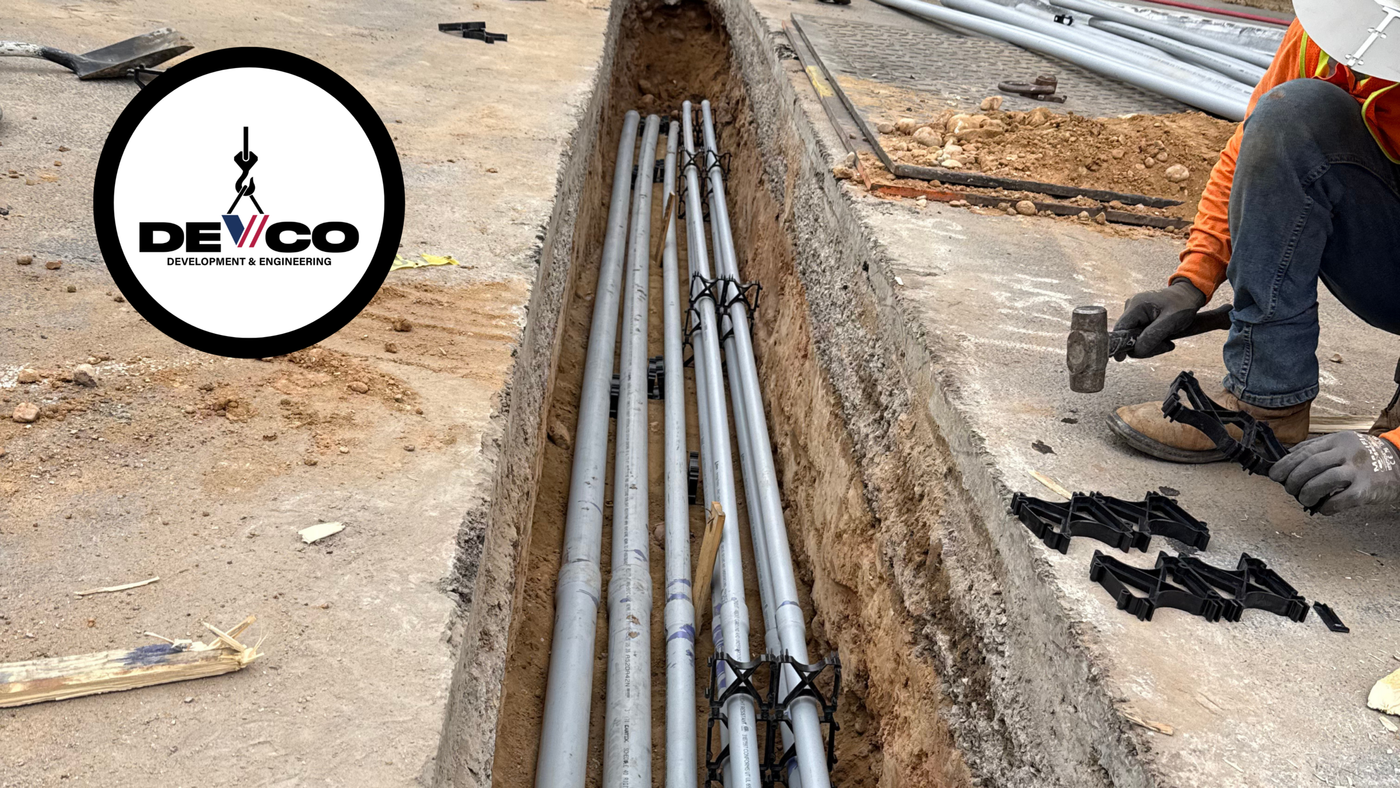
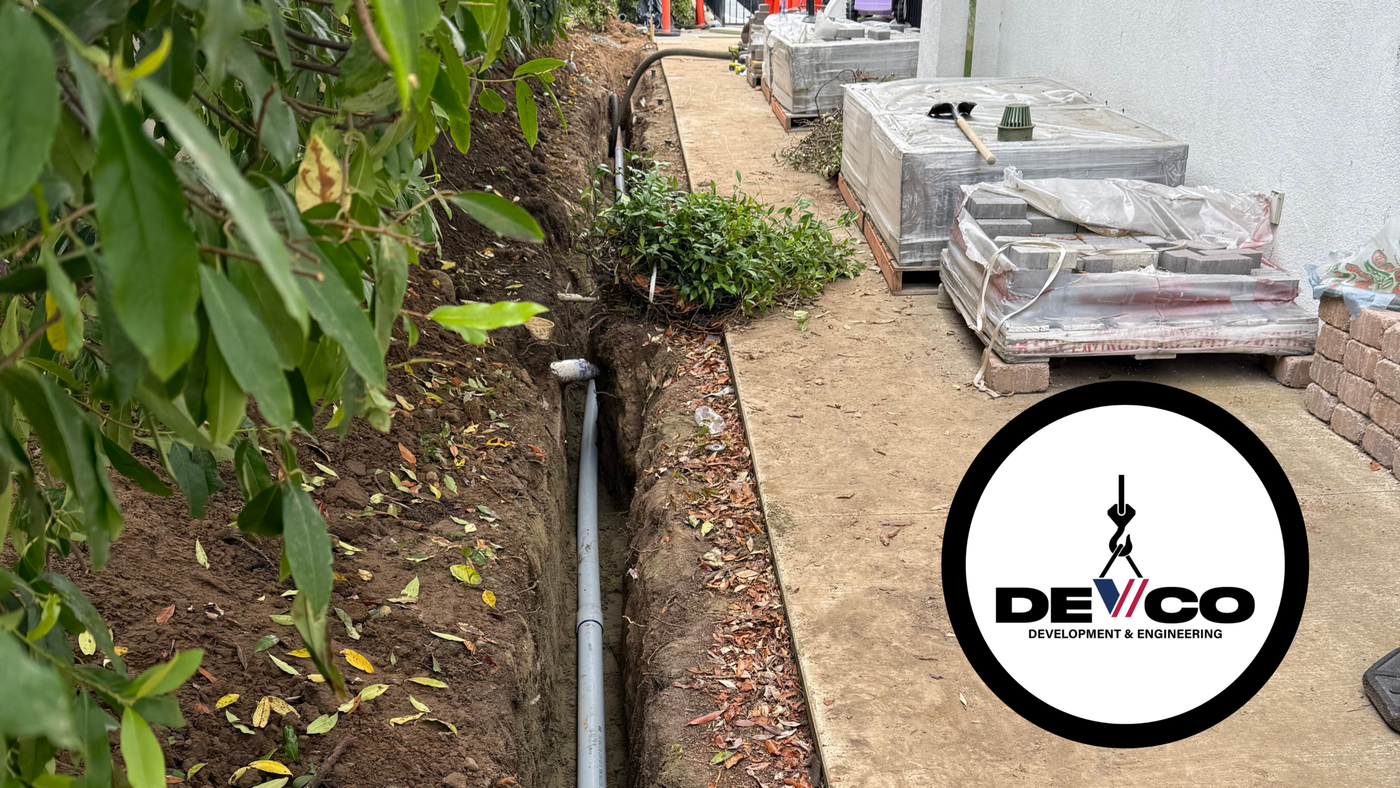
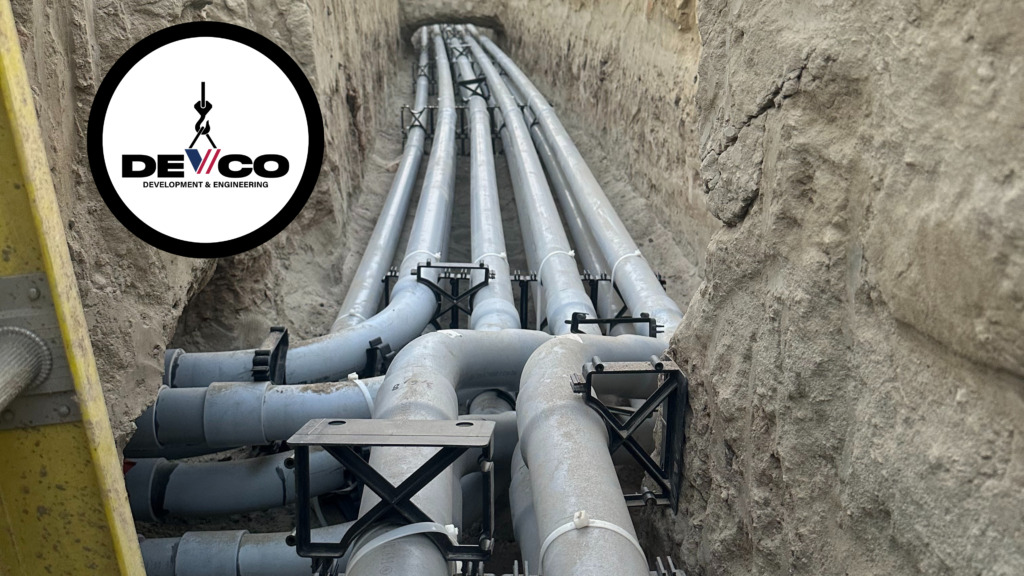
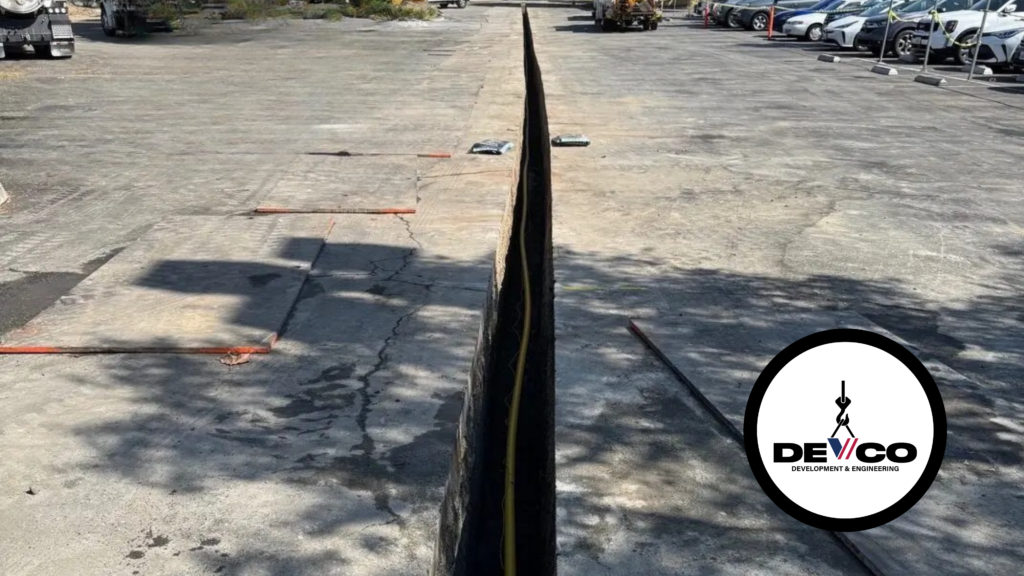
Potholing is the process of digging small, focused test holes to physically uncover existing underground utilities. Instead of guessing from old as-builts or just trusting paint on the ground, we open the soil, visually confirm the line, and measure its depth.
Our primary method is non-destructive utility potholing. In most cases, that means using air or water plus a vacuum system to loosen soil and pull it out of the hole. No metal teeth, no blind bucket swings near a gas main or fiber duct. Just controlled, low-impact exposure.
When people search for “Potholing Vail,” this is what they’re really after—safe, accurate confirmation of what’s in the ground before larger excavation starts.
Why Potholing Matters Around Vail and Pima County
Utility corridors in and around Vail are often crowded: water, gas, electric, comms, and private lines sharing limited space. Records can be incomplete or outdated, especially where new work ties into older systems. That’s where potholing earns its keep.
We commonly support:
- New utility installations (water, sewer, gas, electrical, telecom)
- Roadway and intersection improvements
- Dry utility upgrades in easements and right-of-way
- Building additions and site work near existing services
- Horizontal directional drilling (HDD) and jack-and-bore crossings
In each case, the goal is the same: avoid cutting a live line, keep crews safe, and prevent costly shutdowns.
How Our Non-Destructive Potholing Process Works
Most projects start with plans, USA markings, and a walk-through. We agree on which utilities to daylight, how many test holes you need, and any traffic or access constraints.
On site, our team will typically:
1. Lay out pothole locations and confirm with the superintendent or inspector.
2. Set up basic traffic control or pedestrian protection if we’re in a roadway or sidewalk.
3. Use air or water under controlled pressure to loosen the soil directly over the utility.
4. Vacuum spoils into the truck, slowly “drilling” down until the line is fully exposed.
5. Measure and record depth, size, and orientation; photos are taken when requested.
6. Backfill with suitable material and restore the surface as required by the site (temporary patch, cold mix, or native fill).
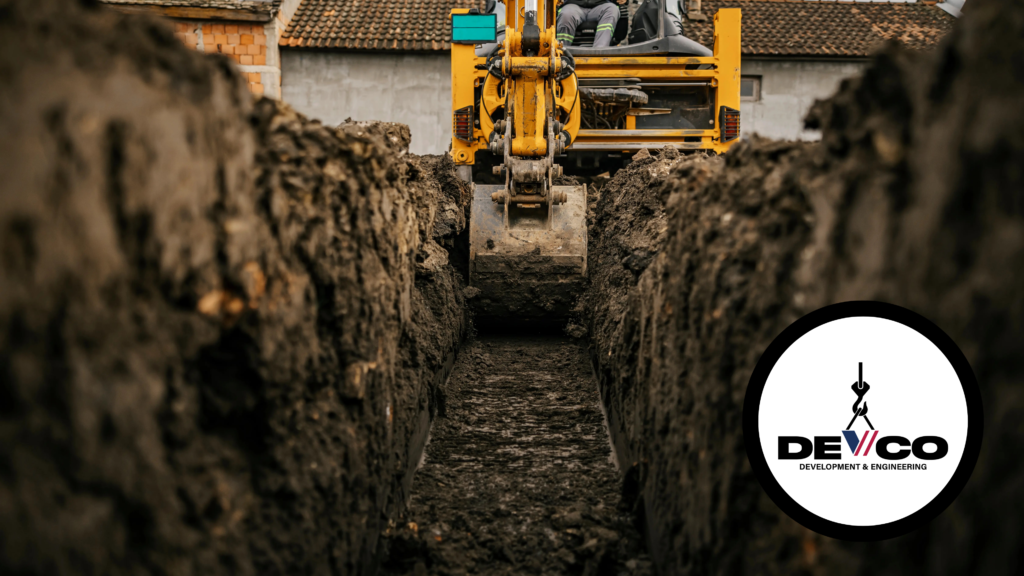
On some sites, we’ll supplement vacuum work with a compact excavator where it’s safe and approved, especially for shallow, clearly located lines in open areas. But for tight, high-risk corridors, non-destructive utility potholing is the standard.
What You Should Line Up Before Potholing Starts
Every job is a little different, but it helps if you can:
• Have current plans or markups showing proposed work and critical clash points.
• Identify any access limits, working hours, or special restoration requirements.
• Confirm who is handling USA/811 and permits for right-of-way work.
If you’re budgeting early in design, you can get a ballpark idea of costs using our online utility potholing cost calculator and then call us to refine it to your actual scope.
What Separates Experienced Potholing Contractors
Potholing looks simple from the outside—just a small hole, right? In reality, it takes training and discipline to avoid damage. Inexperienced operators may use too much pressure, dig off-location, or fail to record depth properly, which defeats the purpose of the work.
Our crews are focused on underground utilities all day, not just “digging a few holes between other tasks.” We control pressure settings, watch for bedding changes, and slow down as we get near expected utility depth. As a DVBE (Disabled Veteran Business Enterprise) with SDVOSB, PDBE, SB-Micro, and SB-PW classifications, we’re also very familiar with public-sector expectations for documentation, safety, and accountability.
Common Questions About Potholing Vail Projects
Will potholing disrupt traffic or my operations?
Sometimes. A single pothole in a parking lot corner is usually quick and low impact. Multiple test holes in a busy road may need lane closures and off-peak scheduling. We’ll talk through options before we start.
How long does each pothole take?
It depends on soil conditions, depth, and surface type, but many locations are completed in under an hour once set up. Deeper targets, hard surfaces, or complex congestion take longer. We can usually give you a reasonable estimate once we review your plans.
Let’s Talk About Your Underground Work
If you’re planning excavation, HDD, or utility installation near existing lines in Vail or
Listing Details
-
CategoryPotholing
-
CountyPima County
-
CityVail
-
Contact Emailinfo@devco-inc.com
-
Phone Number(951) 221-3633
-
ServicesPotholing Vail, Non-destructive utility potholing Vail