

Description
Underground Utility Installation in Vail by DEVCO Development and Engineering
DEVCO Development and Engineering provides complete underground utility installation in Vail and across Pima County for residential builders, commercial sites, and public agencies. We install water, sewer, power, gas, and telecom lines so projects can connect safely and reliably. Our crews handle everything from trenching and conduit placement to testing and final surface restoration.
What Underground Utility Installation Really Involves
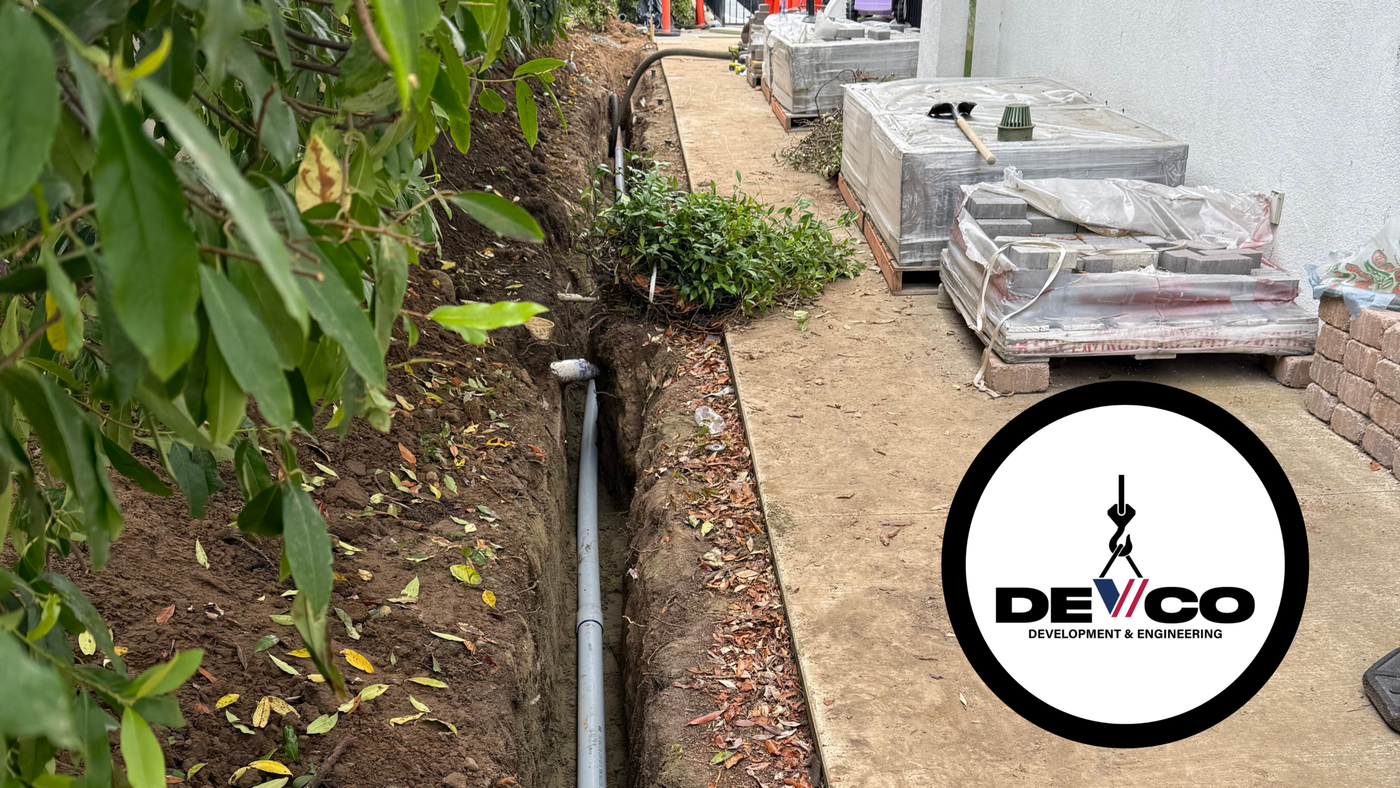
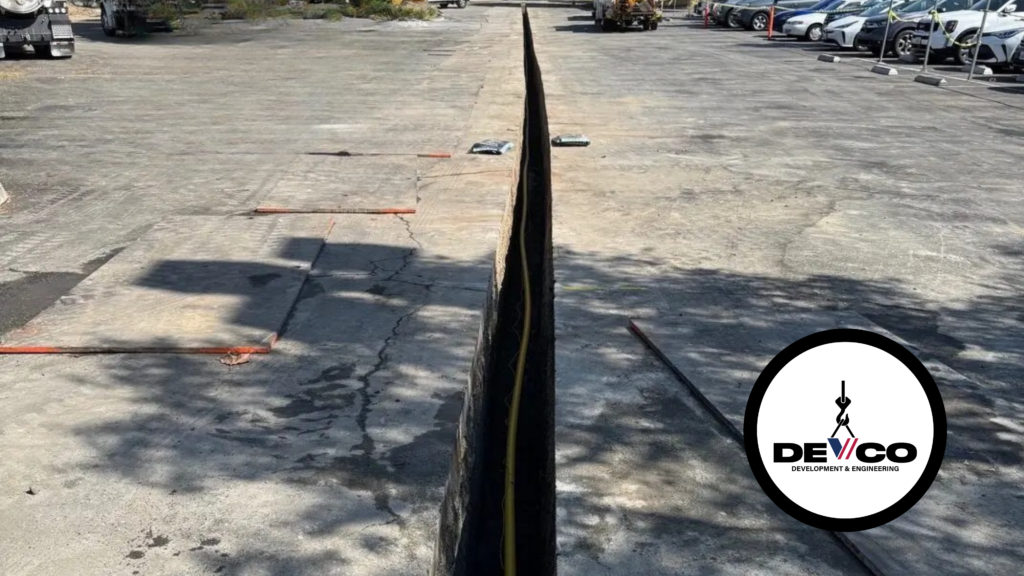
When people say “Underground Utility Installation Vail,” they’re talking about far more than just digging a trench. A good installation starts with mapping existing lines, confirming elevations, checking soil conditions, and lining up inspections. From there, it’s careful excavation, pipe or conduit placement, bedding, compaction, and restoring the site so it looks and functions right.
We routinely install:
- Domestic water and fire service lines
- Sanitary sewer mains and laterals
- Storm drain piping and culverts
- Power and street light conduits
- Gas sleeves and utility crossings
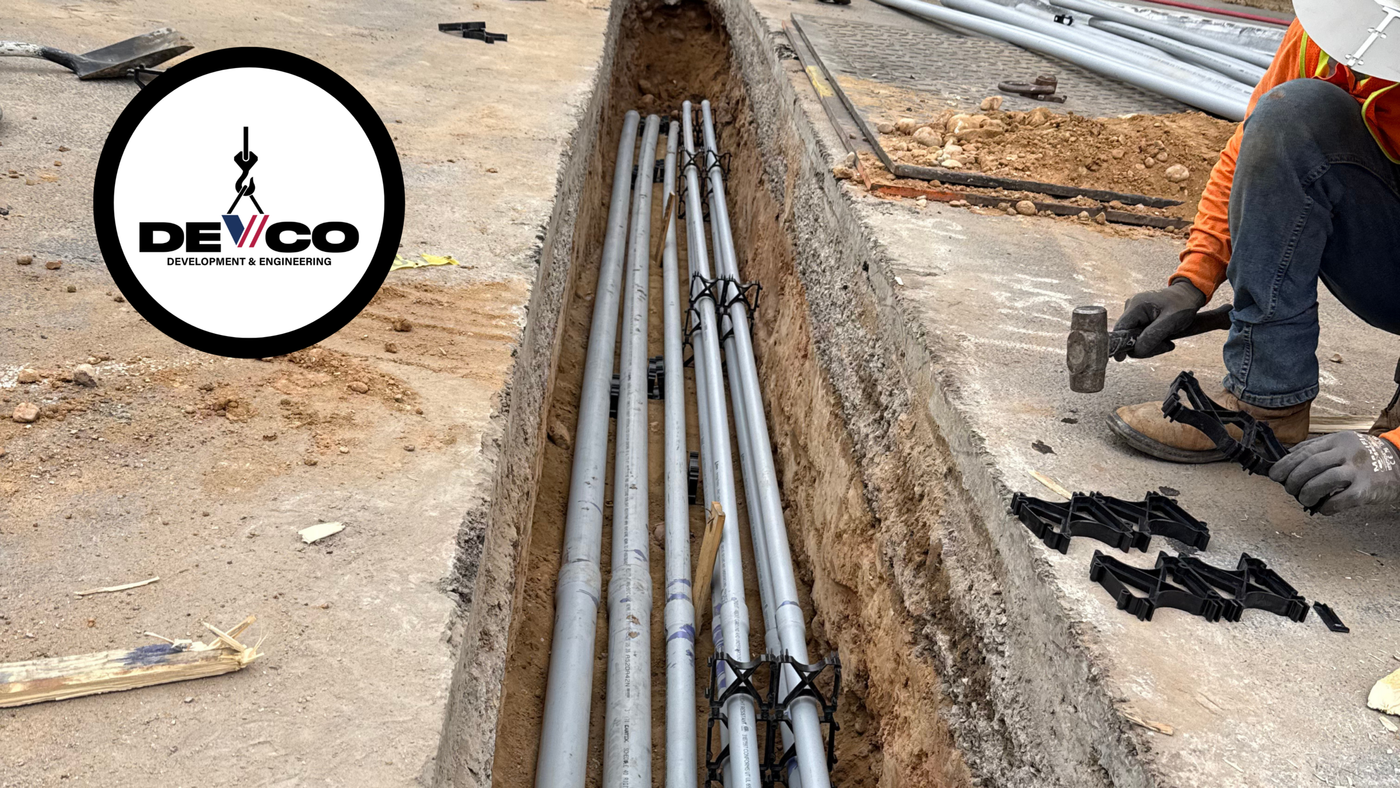
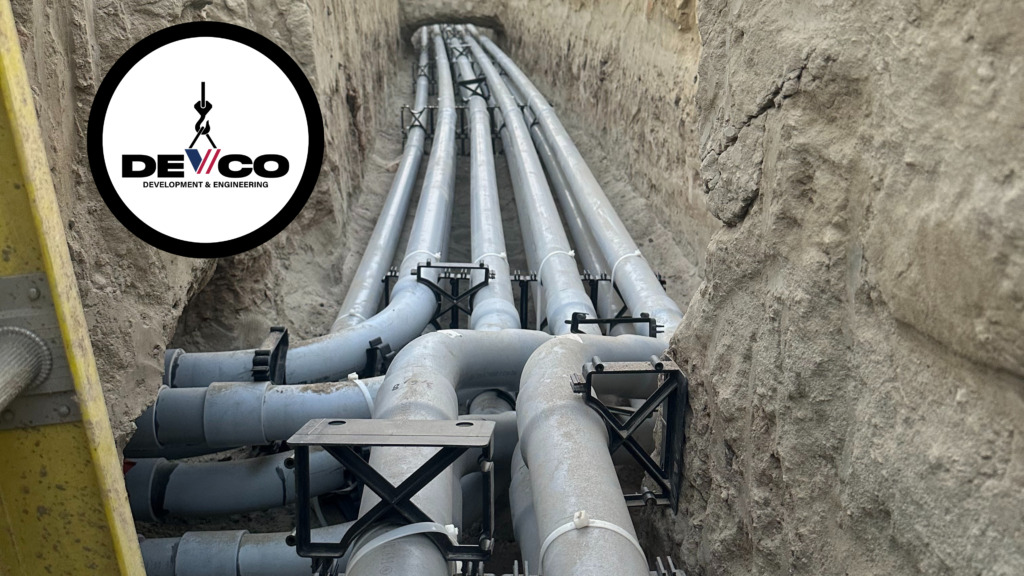
- Underground telecommunications conduit banks and fiber sleeves
Underground Telecommunications Conduit Installation in Vail
Reliable communications are a big deal in growing communities. Our underground telecommunications conduit installation in Vail focuses on getting fiber and low-voltage pathways in place without constant future digging. That means correct conduit sizing, sweeping bends (not tight kinks), proper spacing from power, and accessible pull boxes where future cable pulls won’t turn into a nightmare.
We use a mix of open-cut trenching and trenchless methods depending on the site, traffic, and existing improvements. In tight areas or under drives, we’ll often use directional drilling to avoid tearing up newly finished surfaces.
Equipment and Methods That Fit Local Conditions
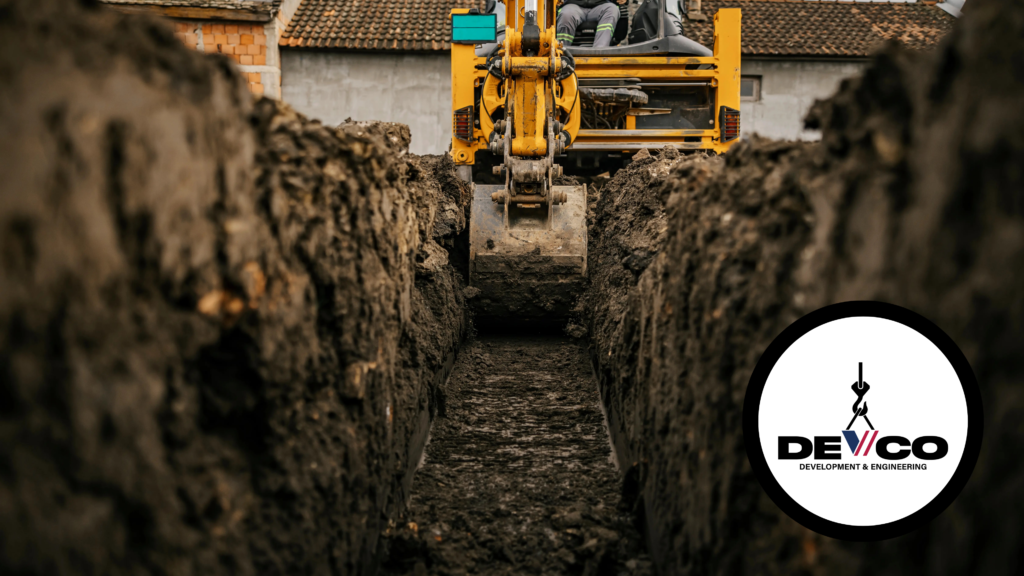
Soils around Vail can shift from loose, sandy material to hard, caliche-like layers in just a few feet. We match equipment to those conditions. A John Deere 210P excavator is ideal for longer, deeper utility runs and tougher digs, while a John Deere 35P mini excavator lets us work in backyards and between buildings without wrecking everything around the trench. A John Deere 325G skid steer handles backfill, grading, and cleanup so we leave the site neat and ready for the next trade.
Whether we use open trenching or trenchless boring, we stick to utility separation requirements, consistent slopes on sewer lines, and proper compaction to reduce future settlement and pavement cracking.
Common Projects We Help With
Every job is a little different, but here are some typical situations where we’re called in:
- New residential subdivisions needing full wet and dry utility layouts
- Custom homes on acreage requiring long utility runs to the street
- Commercial pads adding fire lines, sewer laterals, and power conduits
- Telecom and fiber providers expanding service routes
- Public works upgrades, including main replacements and new service connections
What Sets an Experienced Utility Contractor Apart
From the outside, underground utilities can all look the same. The difference shows up years later. Experienced contractors plan for future maintenance and avoid shortcuts like shallow cover, poor bedding, or mixing utilities too close together. We spend time on layout, elevation checks, and compaction testing instead of just rushing to cover trenches.
As a DVBE (Disabled Veteran Business Enterprise) as well as SDVOSB, PDBE, SB-Micro, and SB-PW certified firm, we’re very comfortable working under public works standards and detailed specifications, but we bring that same discipline to private projects.
Questions We Hear a Lot
How deep will my utilities be buried?
Depth depends on utility type, site use, and the standards of the serving agency. Power and gas often require more cover than low-voltage conduit, and driveways or road crossings can require additional depth. Before we dig, we review the plans and the utility standards so you know what to expect.
Do you handle permits and inspections?
We typically assist with coordination, traffic control planning, and scheduling inspections with the appropriate agencies. The property owner or project engineer usually secures the original approvals, then we make sure the work in the field matches those approved plans.
Planning, Budget, and Next Steps
Good planning on the front end saves money later. A basic site plan, any available utility maps, and your projected electrical and telecom needs help us recommend pipe sizes, conduit counts, and routing options. If you’d like to understand how factors like depth, soil, and surface restoration affect pricing, this overview of the cost of underground and directional drilling work is a helpful starting point.
If you’re lining up underground utility work in Vail or anywhere in Pima County, we’re happy to talk through options, phasing, and constructability. Call DEVCO Development and Engineering at (951) 221-3633 or email info@devco-inc.com to discuss your project or request a quote.
Listing Details
-
CategoryUnderground Utility Installation
-
CountyPima County
-
CityVail
-
Contact Emailinfo@devco-inc.com
-
Phone Number(951) 221-3633
-
ServicesUnderground Utility Installation Vail, Underground telecommunications conduit installation Vail