

Description
Potholing in Queen Creek by DEVCO Development and Engineering
DEVCO Development and Engineering provides professional potholing services in the Queen Creek area of Maricopa County for contractors, engineers, and utility owners who need to actually see where underground lines run. We expose utilities using safe, controlled methods so you can design, survey, or dig with confidence, backed by experienced underground utility specialists.
What potholing is and why it matters
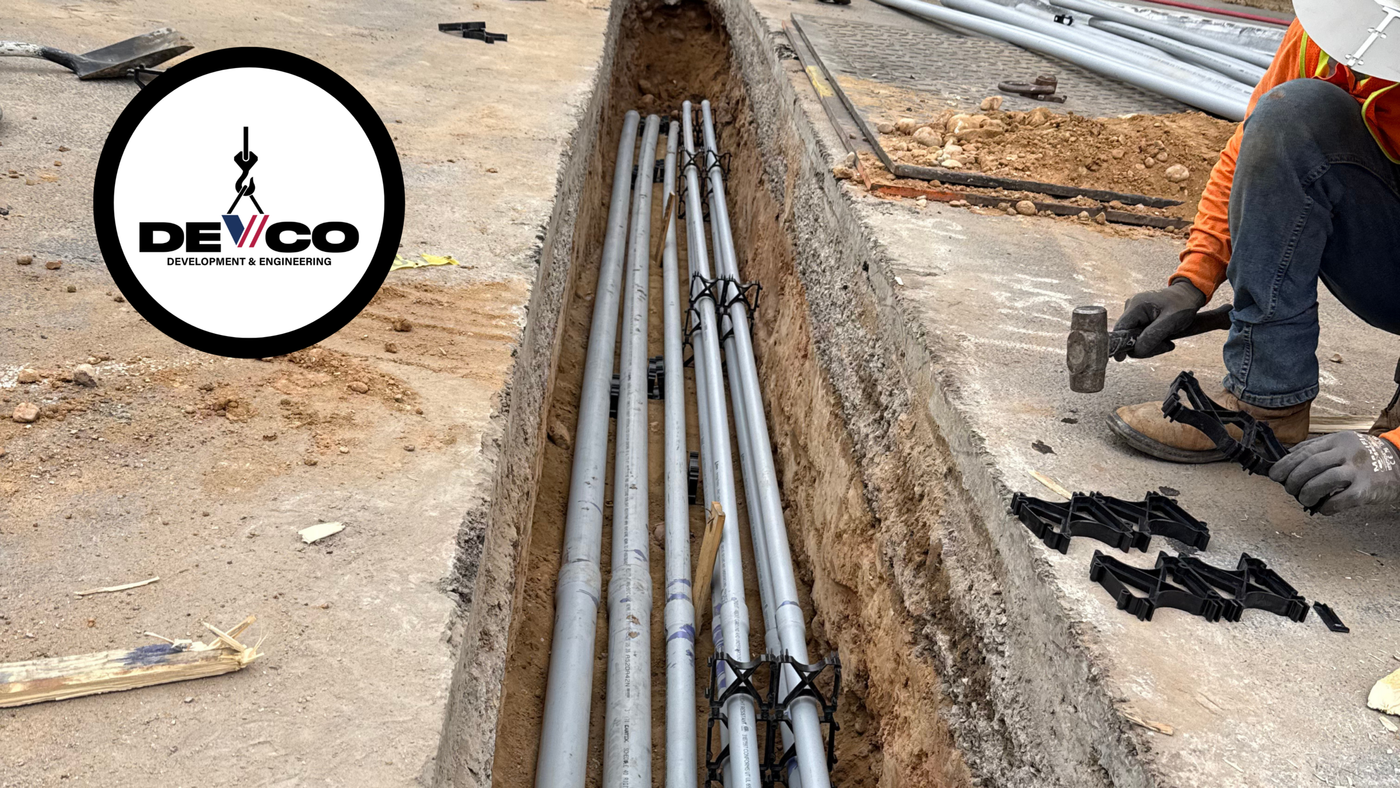
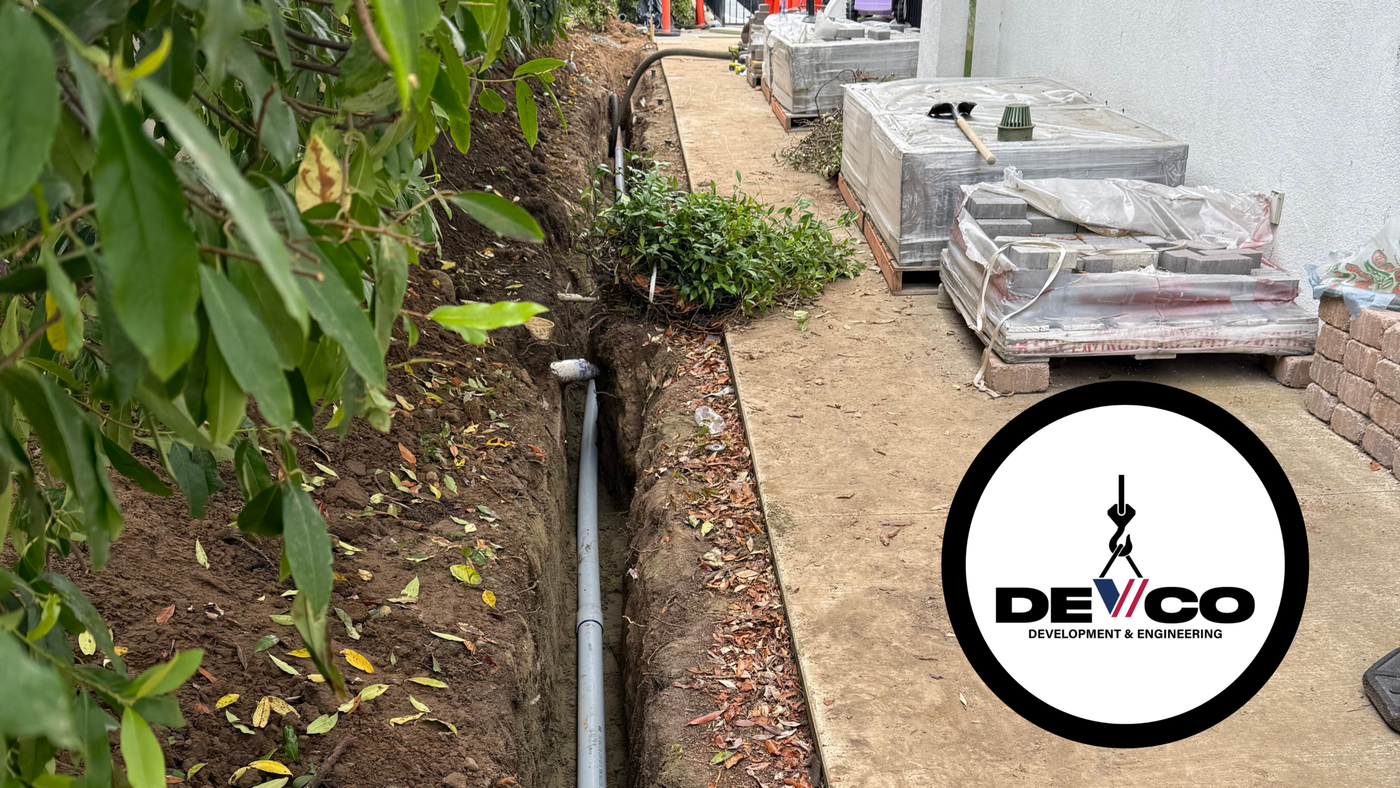
Potholing is the process of carefully exposing buried utilities—water, sewer, gas, electric, fiber, and more—to confirm their exact horizontal and vertical location. For many projects in and around Queen Creek, this step sits between record research and full excavation. You’ve seen paint marks on the ground; potholing is how we verify what those marks really mean.
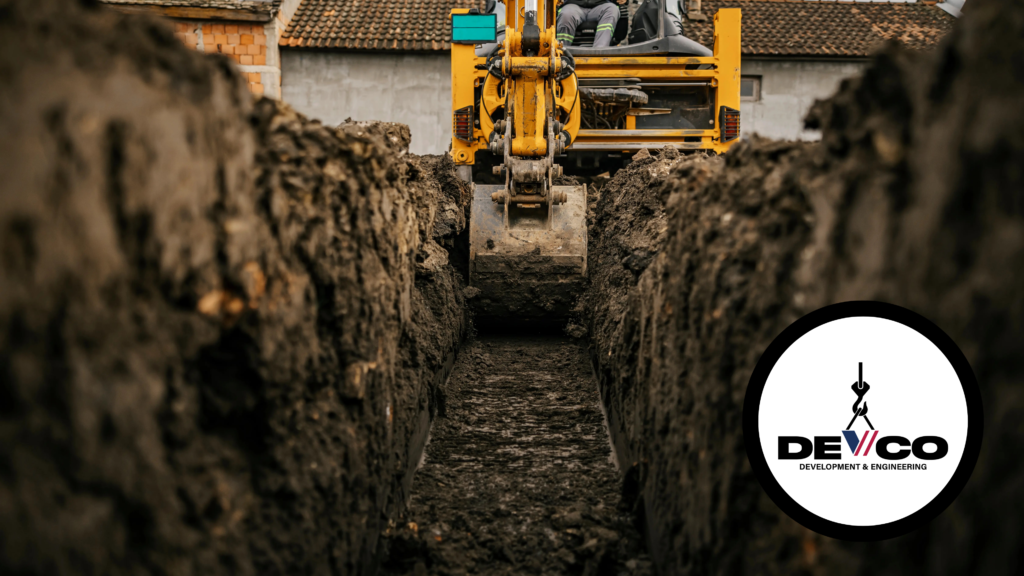
On our potholing crews, we typically use vacuum excavation (air or hydro) combined with hand tools. This lets us dig small, controlled test holes with minimal risk to live lines and minimal disruption to your site.
Potholing for site utility surveys in Queen Creek
When designers or surveyors talk about “Potholing for site utility surveys Queen Creek,” they’re usually trying to tighten up their as-built data. We expose key utility crossings and structures, measure depth and offsets, then coordinate with your survey team so those points get tied into your control.
That level of detail is critical for:
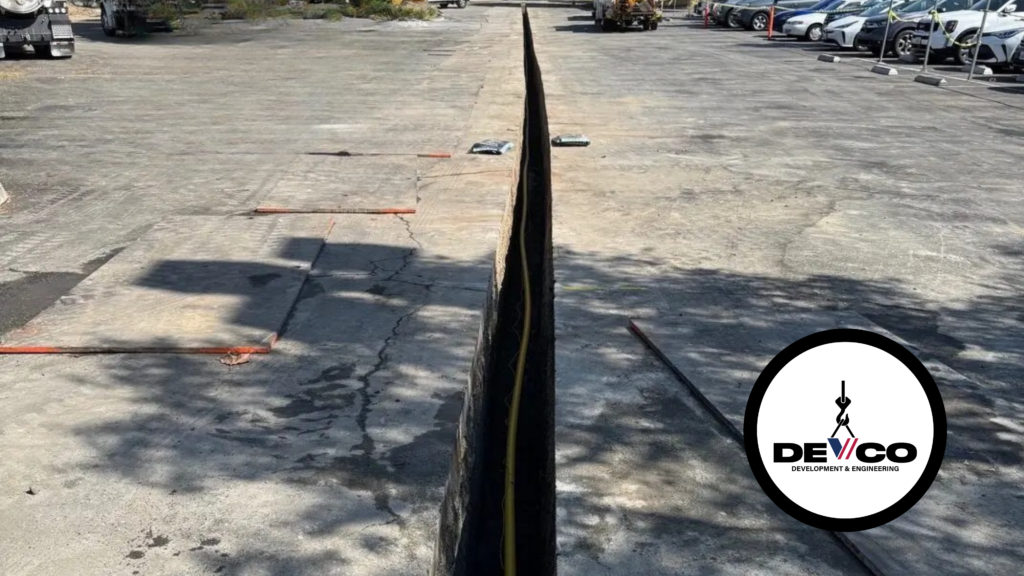
- New commercial pads and parking lots where utility conflicts are costly to fix later
- Roadway and intersection improvements in tight urban corridors
- Residential subdivisions with dense dry and wet utility corridors
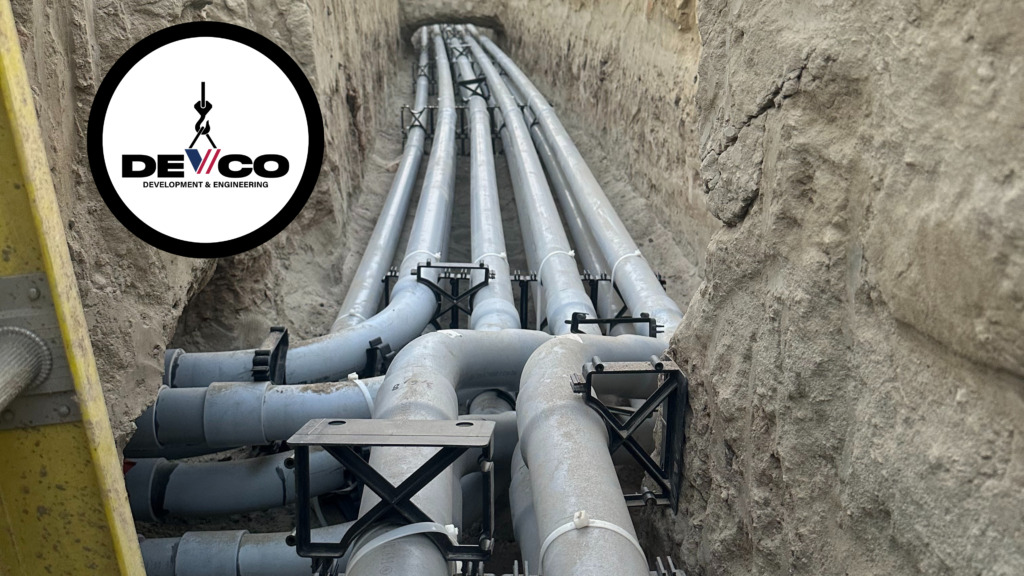
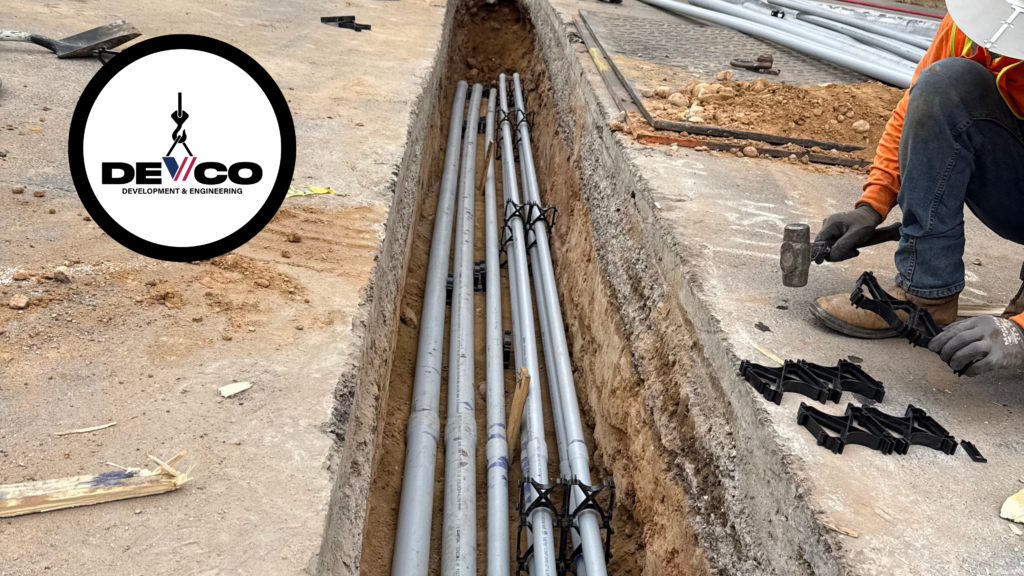
- Pipeline, conduit, or duct bank routes crossing existing services
Good potholing turns “approximate” utility locates into hard data you can design and bid around.
Typical potholing situations we handle
We’re called for everything from one or two test holes before a small sign foundation to extensive Potholing Queen Creek projects for full site utility surveys. Common scenarios include:
• Confirming utility depth before trenching or boring.
• Verifying clearances where new lines cross existing mains.
• Exposing valves, tees, or unknown structures found on old plans.
• Supporting SUE (Subsurface Utility Engineering) Level A investigations.
On tighter sites, we may bring compact equipment like a John Deere 35P Mini Excavator or a John Deere 325G Skid Steer to manage spoils, move plates, or prep safe work zones around the pothole locations. The actual exposure around the utility stays low-impact and controlled.
What to sort out before we start
A little planning saves a lot of time in the field. Before we mobilize, it helps to know:
• Which utilities are most critical to verify.
• Any access limits (working hours, noise limits, traffic control needs).
• Survey requirements—do you need depth only, or full XYZ coordinates.
• Backfill expectations: cold patch, slurry, or native material where allowed.
If you’re budgeting early, you can use our utility potholing cost calculator to get a quick feel for how footage, quantity, and site conditions affect pricing.
Experienced vs. inexperienced potholing contractors
Potholing looks simple from the outside, but there’s a big gap between a crew that’s done thousands of safe digs and one that’s learning on your job.
Experienced potholing contractors will:
• Respect utility tolerance zones and locator marks instead of guessing.
• Maintain clean, vertical test holes that surveyors can measure accurately.
• Protect pavements and landscaping, then restore them properly.
• Document conditions clearly so your designers and inspectors can rely on the results.
That’s the approach we bring as a certified DVBE (Disabled Veteran Business Enterprise) and holder of SDVOSB, PDBE, SB-Micro, and SB-PW classifications—serious about procedure, safety, and clear documentation.
Common questions about utility potholing
How long does potholing take?
It depends on access, surface type, and soil conditions, but a straightforward test hole in soft ground can sometimes be completed in under an hour. Paved, congested, or deep locations take longer because we cut, shore as needed, document, and restore.
Will potholing shut down our site?
Usually not. We work in small footprints and can phase locations so other trades keep moving. For busy streets or access drives, we plan around traffic and coordinate lane closures or flagging where required.
Let’s talk about your Queen Creek potholing needs
Whether you’re planning a full site utility survey or just need a few key conflict checks, we’re glad to look over your plans and talk through options. Reach DEVCO Development and Engineering at (951) 221-3633 or email info@devco-inc.com to discuss scope, schedule, and the safest way to expose your underground utilities in Maricopa County.
Listing Details
-
CategoryPotholing
-
CountyMaricopa County
-
CityQueen Creek
-
Contact Emailinfo@devco-inc.com
-
Phone Number(951) 221-3633
-
ServicesPotholing Queen Creek, Potholing for site utility surveys Queen Creek