

Description
Potholing in Buckeye by DEVCO Development and Engineering
DEVCO Development and Engineering provides professional potholing services in Buckeye and throughout Maricopa County for contractors, engineers, utilities, and public agencies. We expose existing underground utilities using vacuum excavation so you can verify depth, size, and horizontal location. Our crews specialize in tight urban work zones and pre-design investigations for accurate utility mapping and safer construction.
Practical Explanation: What Potholing Actually Is
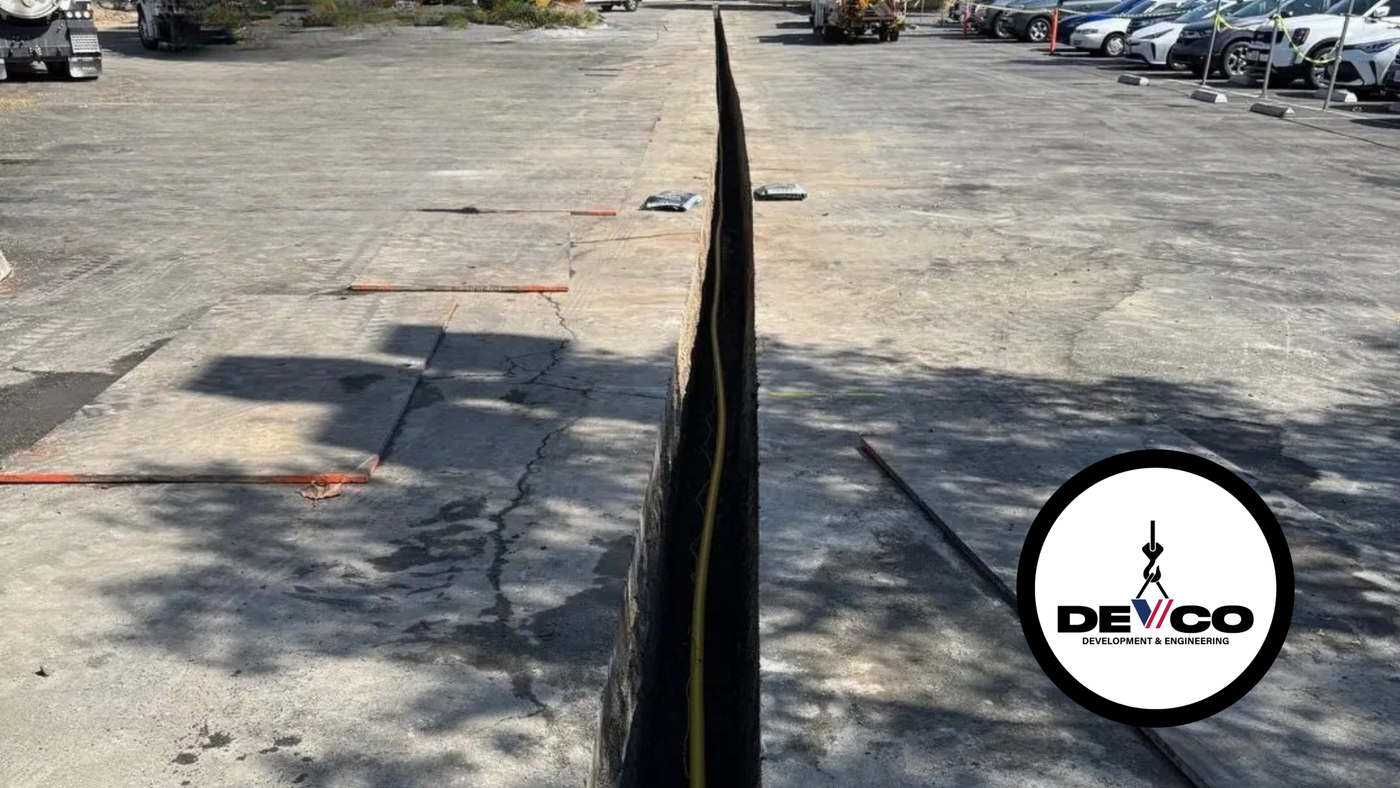
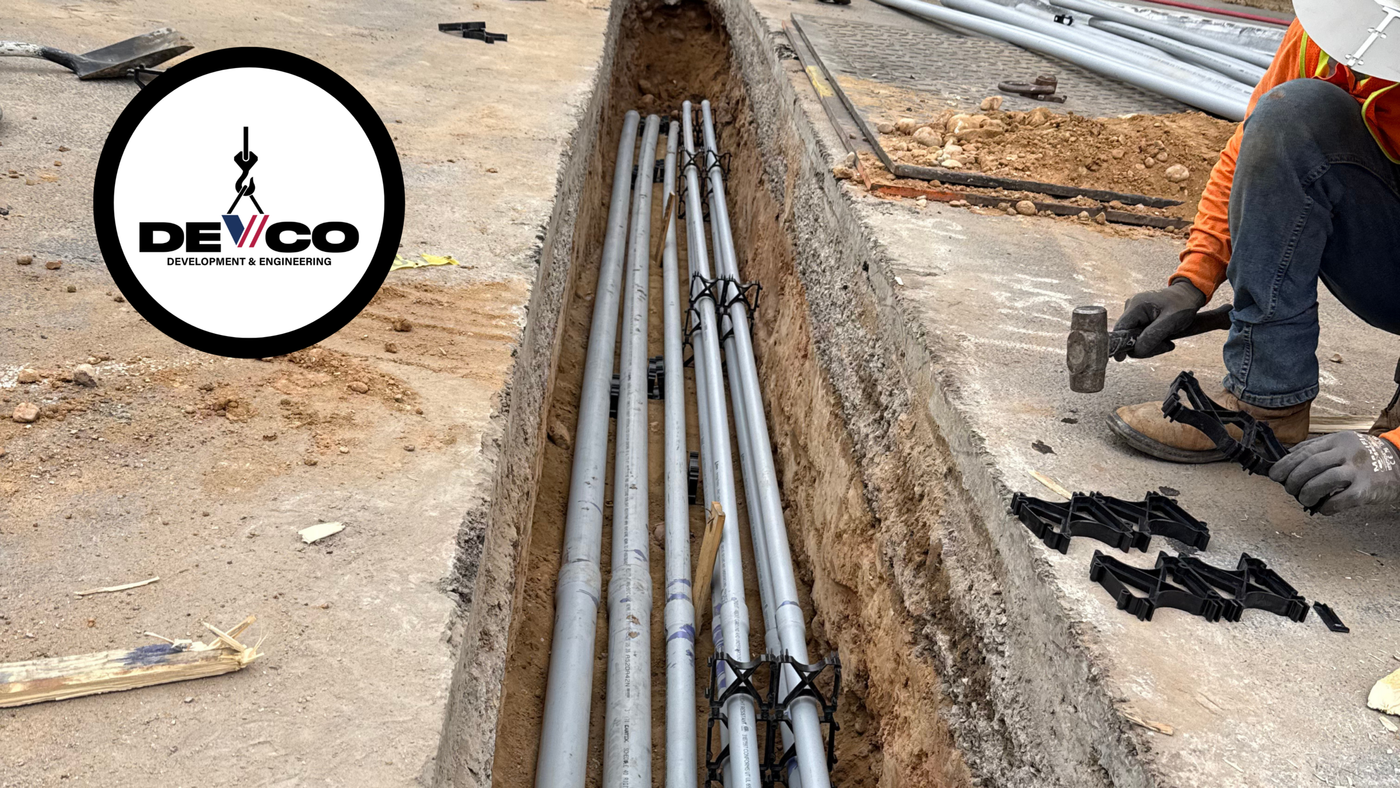
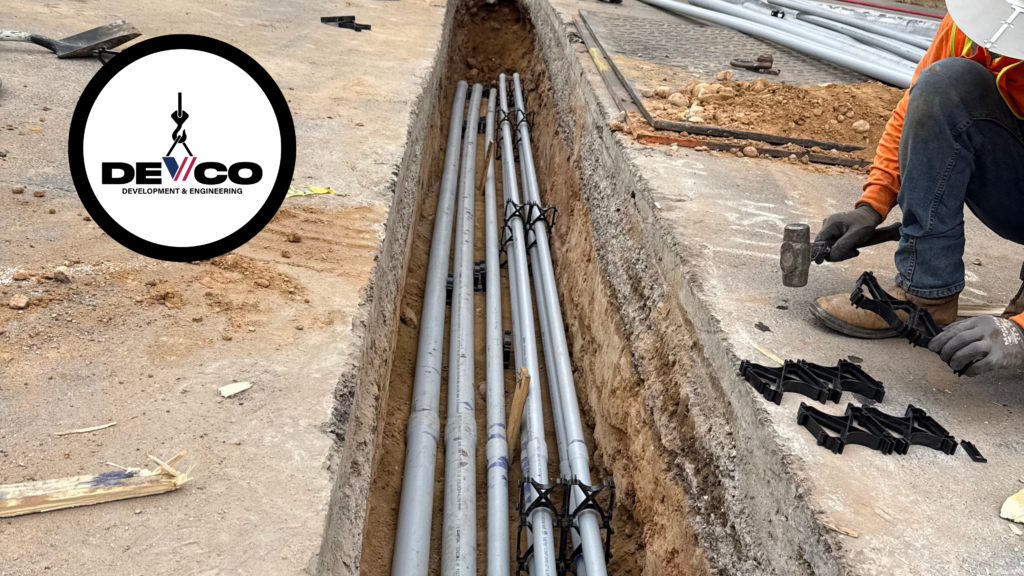
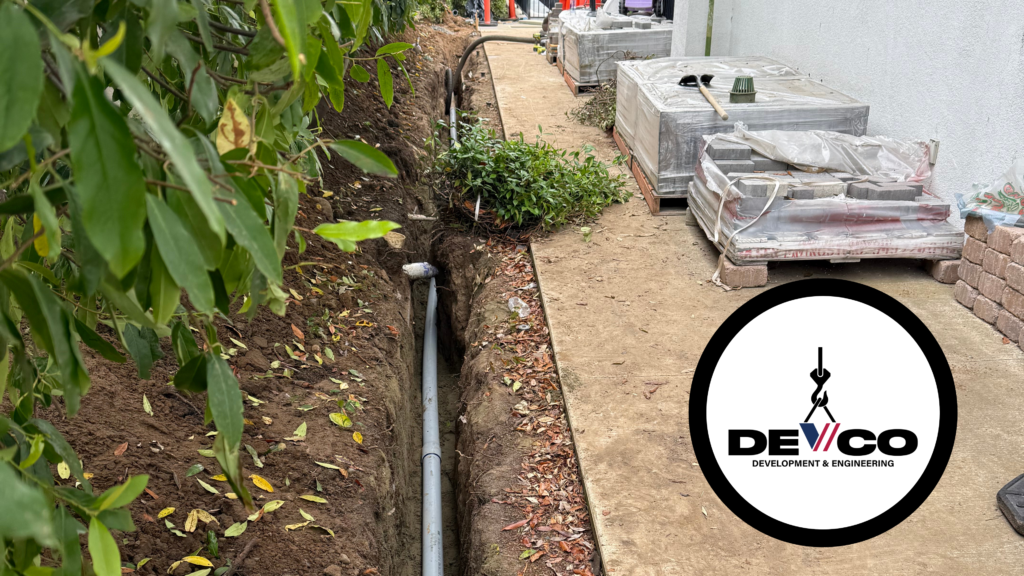
Potholing is a controlled, small excavation used to “daylight” buried utilities. Instead of guessing where lines are, we expose them so you can see the real-world conditions—not just the plan set.
We typically use vacuum excavation (air or water) to pull soil out of a narrow hole, then finish around the pipe or cable with hand tools. The utility stays supported, and the opening is easy to backfill and compact when we’re done.
Why Potholing Matters on Buckeye Projects
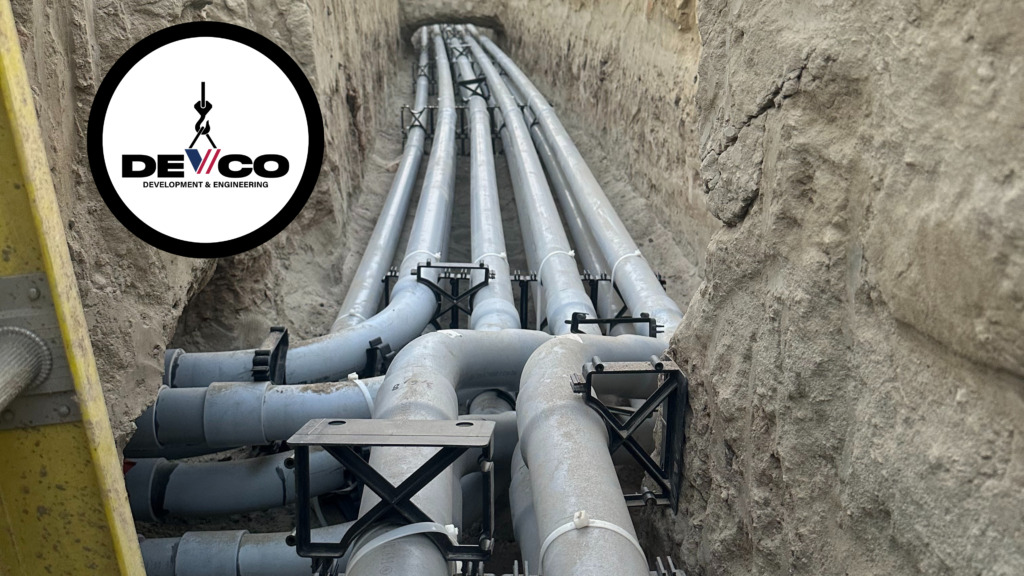
In Maricopa County, most new work—subdivisions, commercial pads, roadway widenings, underground dry utilities—crosses existing infrastructure. A few inches of error in depth or alignment can mean a broken gas main or fiber trunk line.
Potholing Buckeye sites helps you:
- Confirm utility depth before trenching or microtunneling
- Resolve conflicts between as-builts and actual field conditions
- Support accurate survey and 3D utility models
- Reduce change orders and construction delays
- Meet many owner and agency requirements for pre-construction utility verification
Potholing for Underground Utility Mapping in Buckeye
For design teams, potholing for underground utility mapping in Buckeye is often done in a grid or at key conflict points. We coordinate with your surveyor so each pothole is tied to project control.
At each location we can document utility type, size, material, depth to top, and any unusual conditions (encasement, abandoned lines nearby, poor bedding). That information feeds directly into your utility plan, clash detection, or BIM model.
How We Perform the Work
Every site is a little different, but a typical potholing operation includes:
First, we review existing locates and plans. Then we mark proposed pothole locations with you in the field. Our crew brings in a vacuum unit, sets up safe traffic or pedestrian control as needed, and begins soft-digging.
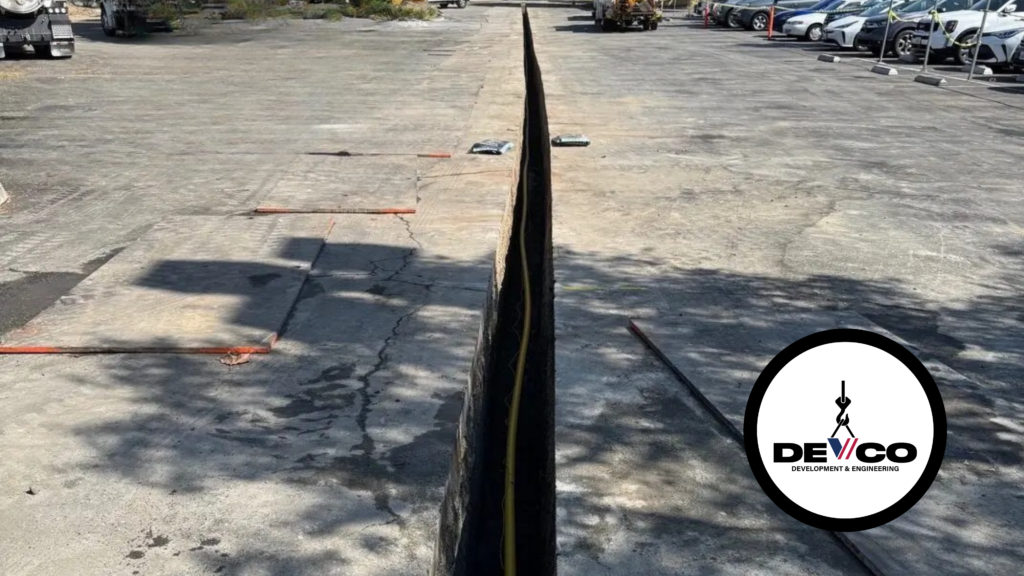
We cut a small surface opening, vacuum down in lifts, and slow way down when we’re close to the utility. Hand tools take over for the last few inches. Once measurements and documentation are complete, we backfill, compact, and patch the surface per your specs or agency requirements.
What You Should Have Lined Up Before Potholing
To keep the work efficient and cost-effective, it helps if you:
- Have USA/811 or local utility locates completed and visible
- Know where survey control is so we can tie measurements
- Clarify pavement restoration requirements ahead of time
- Flag any schedule restrictions, access issues, or sensitive facilities
If you’re budgeting early, you can use our online utility potholing cost calculator to get a quick feel for likely costs based on quantity and site conditions.
Why Experience Matters With Potholing
Potholing looks simple from the outside, but there’s a big difference between an experienced and an inexperienced crew. A seasoned operator reads the soil, the locates, and the utility layout, then adjusts approach and tooling. That reduces utility strikes, keeps holes small, and speeds up documentation.
An inexperienced contractor may over-excavate, damage coatings or cable jackets, or miss a nearby line entirely. That can create more risk than doing nothing.
As a DVBE, SDVOSB, PDBE, SB-Micro, and SB-PW firm, we’re used to working under strict public and private construction standards, including documentation and safety expectations on complex utility projects.
Common Questions About Potholing Buckeye Projects
How long does potholing take?
On most sites, a straightforward pothole in soft soil and light traffic might take under an hour from setup to patch. Hard pavement, tight access, or deeper utilities can extend that time. We usually review a sample location first to set realistic production expectations.
When in the project should we schedule potholing?
Ideally during design or early pre-construction. That’s when confirmed utility data can still influence alignments, elevations, and structure placement. We also support construction-phase potholing when field conditions don’t match the drawings.
Let’s Talk About Your Utility Potholing Needs
Whether you’re planning a new subdivision, a public works pipeline, or a small private utility tie-in, we can help you scope the right level of potholing for the risk and budget. Call DEVCO Development and Engineering at (951) 221-3633 or email info@devco-inc.com to discuss your Buckeye project and request a quote.
Listing Details
-
CategoryPotholing
-
CountyMaricopa County
-
CityBuckeye
-
Contact Emailinfo@devco-inc.com
-
Phone Number(951) 221-3633
-
ServicesPotholing Buckeye, Potholing for underground utility mapping Buckeye